

Blog
How to Optimize for People Also Ask: Proven SEO Strategies

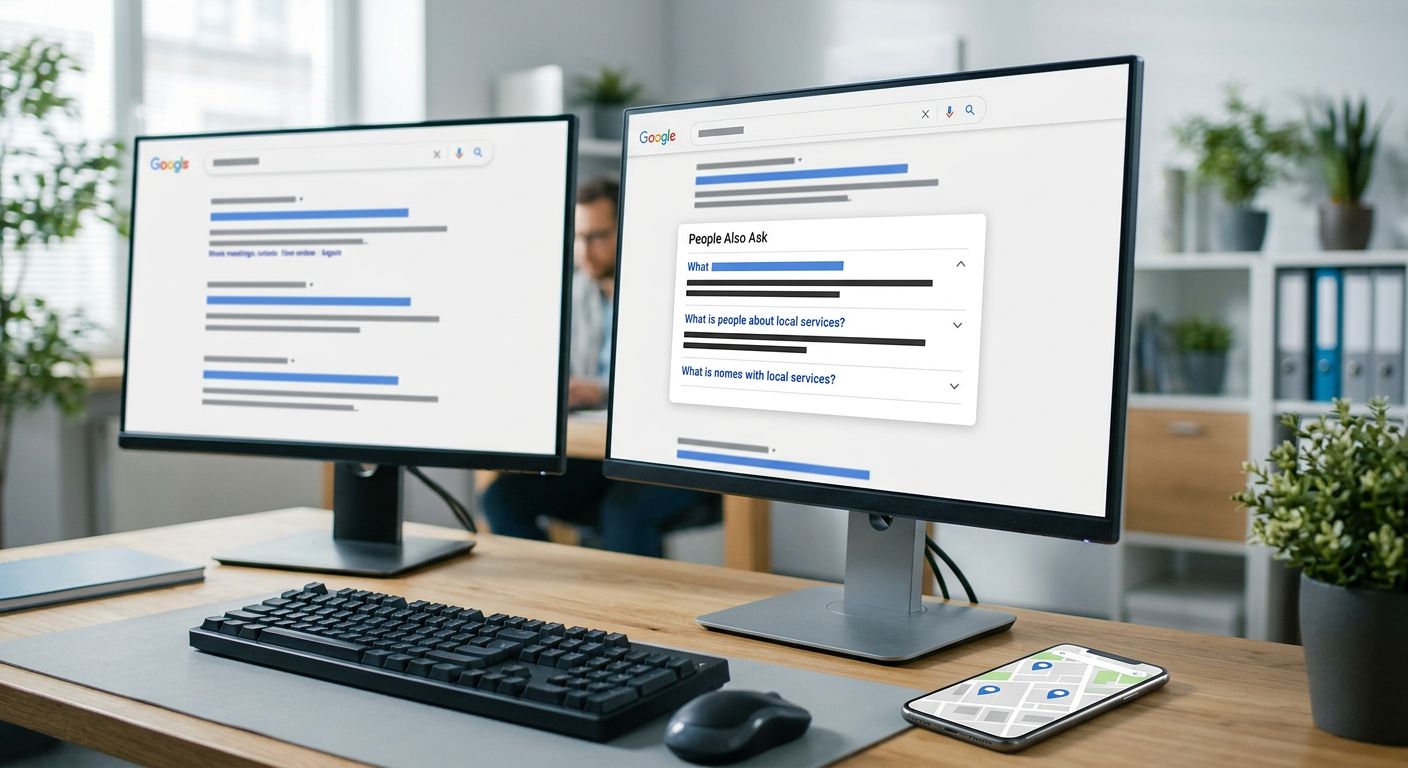
Table of Contents
People Also Ask: A Key to Local Search Visibility
Building on the powerful SERP features available to local businesses, People Also Ask represents one of the most valuable visibility tools in modern search results. This Google SERP feature displays related questions and expandable answers, often appearing for local-intent queries where users compare services, check hours, or seek trusted recommendations from nearby providers.
We view the people also ask feature as essential real estate because it gives businesses opportunities beyond traditional blue-link rankings. Ranking in people also ask can drive targeted traffic and boost brand authority without requiring a traditional top organic position, and PAA results are pulled from existing indexed content, making your content strategy a critical asset for capturing these placements.
These boxes are dynamic—questions and answers shift based on user interaction and query context—so appearing here can continuously improve your local search presence and complement your Google Business Profile optimization. By leveraging our AI-driven local SEO platform to identify high-opportunity questions tied to your service area, you position your business in front of ready-to-convert searchers. We cover advanced people also ask optimization strategies in our next section, where we explore actionable methods to earn and keep these high-visibility placements for sustainable local growth.
Essential Preparations for Ranking in People Also Ask
To actually qualify for those coveted positions, several foundational elements must be in place before your content can appear in Google’s people also ask feature. The PAA section surfaces content that directly answers user questions, but your website needs the right technical and structural groundwork to be eligible.
A technically sound website is the non-negotiable starting point for any people also ask optimization effort. Clean HTML structure, fast load times, and fully responsive mobile design signal to Google that your pages warrant PAA consideration. Without this hygiene, even the most authoritative answers struggle to gain visibility.
Next, your pages must deliver clear, authoritative answers to specific questions. A well-organized Q&A format with concise, factual responses framed around common user queries directly increases eligibility for Google’s PAA section. We structure content to anticipate the exact phrasing searchers use, giving Google unambiguous material to pull into PAA results.
Finally, implement structured data markup—specifically FAQPage or QAPage schema—because Google relies on this code to identify PAA-worthy content. According to our internal knowledge base, auditing which questions trigger PAA boxes for your competitors is also essential; using competitor keyword ranking tools reveals the keyword gaps and question formats that already earn those placements. These steps are foundational—ranking in people also ask is never guaranteed, but these preparations significantly improve your odds. With these preparations squared away, we can turn to specific strategies for earning PAA placements.
Understanding People Also Ask and How It Works
The People Also Ask (PAA) feature is a dynamic Google SERP element that displays a list of related questions users can expand to see answers. Google generates PAA questions algorithmically by analyzing content relevance and user behavior, pulling them from indexed pages that already answer those queries. Unlike a featured snippet, which highlights a single extracted answer, PAA presents multiple questions in an accordion format and can appear alongside featured snippets.
Instructions
PAA questions are sourced directly from content that addresses specific user intents. When our AI-driven local SEO platform creates in-depth articles, it naturally targets the questions real users ask, increasing the opportunity for visibility.
Why It Matters
Appearing in the People Also Ask section increases our visibility on SERPs and positions our brand as an authority. For local businesses, this can lead to more clicks and greater brand awareness, driving Fast SEO Results! without overpromising outcomes.
Tips
Manually search for target keywords and note recurring PAA questions to build a content strategy. Use competitor keyword analysis tools to expand this list and track which questions appear consistently. Our quality vs quantity approach means we focus on answering the most impactful PAA questions. Once you know which questions appear, you can optimize your content to answer them.
Researching Questions and Keywords for People Also Ask
Instructions
Effective optimization for people also ask begins with systematic keyword research. We use professional keyword tools to identify question-based queries who, what, where, when, why, and how that appear in our target niche. By focusing on long-tail question phrases with moderate search volume and clear user intent, we can pinpoint which queries trigger PAA boxes in search results. This approach helps us prioritize questions that align closely with both informational and commercial goals, ensuring our content addresses the exact needs of searchers.
Why It Matters
Targeting the right PAA questions is a cornerstone of people also ask optimization because it directly impacts voice search visibility and featured snippet performance. When we structure content to answer these specific queries, we increase our chances of capturing traffic from natural language searches. This strategy not only improves organic reach but also positions our brand as a direct answer source in search results, supporting long-term SEO growth.
Tips
We leverage SEOLocal’s competitor keyword tracking tools to analyze which PAA questions our competitors rank for, revealing valuable opportunities for ranking in people also ask. Prioritize questions with clear commercial or informational intent, and avoid overly broad queries with low business relevance. No guarantee of specific ranking improvements; results may vary.
Structuring Content to Answer People Also Ask Questions
Structured content plays a crucial role in capturing Google’s People Also Ask boxes, providing quick answers that satisfy user intent and improve visibility for local businesses in Miami.
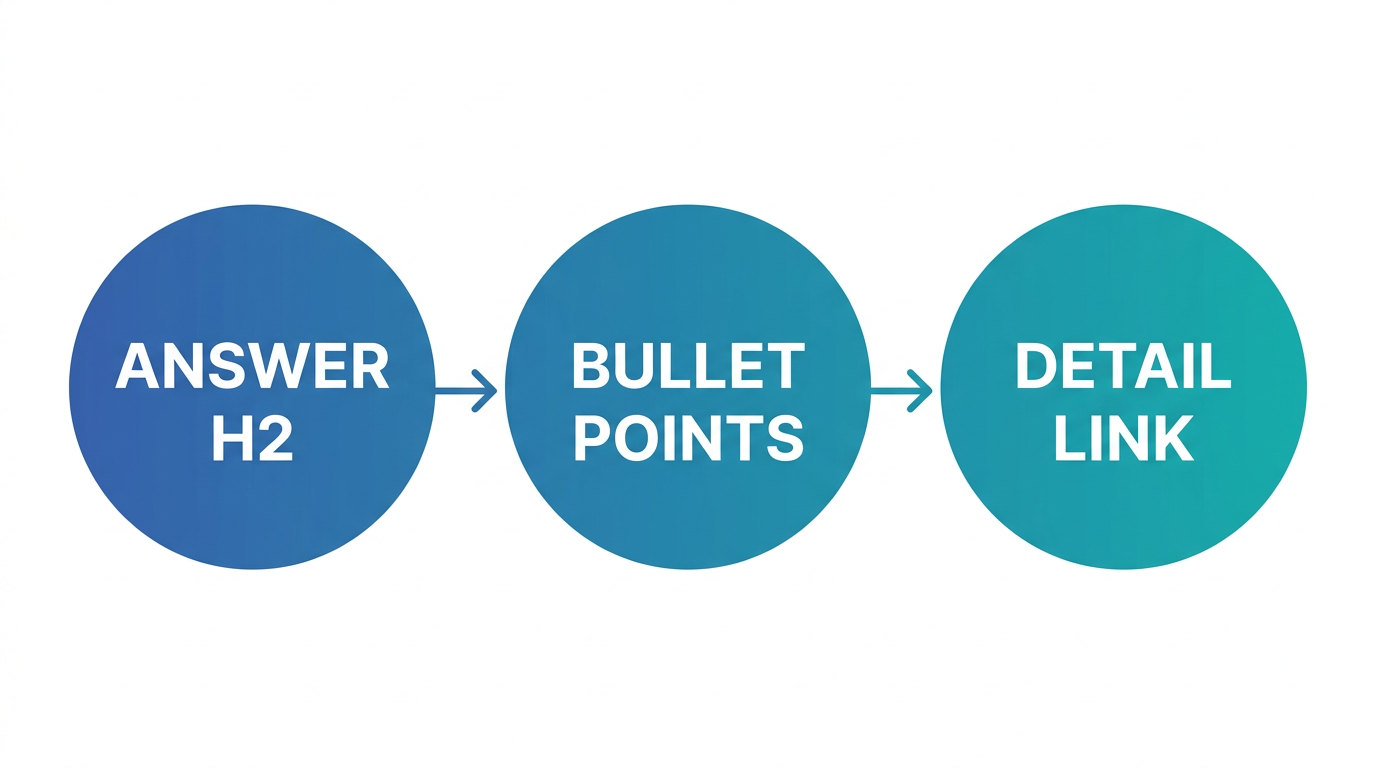
Three simple steps to structure content for People Also Ask questions.
Instructions
Start with the question as a heading, then write a 1–3 sentence answer, then add a link. When targeting the people also ask feature, we structure each PAA entry as a direct, concise answer under the exact question phrased as an H3. For step-by-step answers, use short bullet points to keep the response under 50 words. End each PAA block with a link to a more detailed page on our site, such as a blog post or service page, so readers can explore the topic further.
Why It Matters
Google pulls PAA boxes from content that is well-structured and authoritative, and people also ask optimization increases the chance of being selected for these high-visibility spots. When our answers are clear and scannable, they align with Google’s preference for direct responses, strengthening our local SEO footprint without making performance guarantees.
Tips
Aim for under 50 words per answer; Google favors brevity in PAA boxes. Incorporate city names naturally—for example, “in Miami” or “for small businesses near Coral Gables”—to support local relevance, and include a supporting internal link that points to a comprehensive resource on the topic. While no single tactic locks in a PAA listing, these practices create the structured signals that improve the odds of ranking in people also ask results consistently.
Implementing Schema Markup for People Also Ask
Now that we understand how PAA boxes function in search results, let’s take concrete steps to increase eligibility by implementing structured data. Adding the correct schema markup helps Google identify your Q&A content, which can improve visibility in people also ask results. This process is straightforward and can be woven into your existing people also ask optimization workflow.
Instructions
- Choose FAQPage or QAPage: Use FAQPage for a single list of frequently asked questions, and QAPage for user-submitted Q&A like a forum thread.
- Add JSON-LD Markup: Insert the schema within a
<script type="application/ld+json">tag. FAQPage uses amainEntityarray ofQuestionitems withacceptedAnswertext, while QAPage nests oneQuestionas themainEntity. - Validate Your Schema: Check for errors before publishing.
Why It Matters
Schema markup explicitly classifies your content as Q&A, which can trigger display in PAA boxes and featured snippets. While placement is never guaranteed and ranking in people also ask boxes varies, this structured data step is essential for eligibility and can lead to Fast SEO Results! in your overall search visibility.
Tips
Use Google’s Rich Results Test to validate your code and ensure it’s error-free. For FAQPage, avoid adding more than 10 questions in a single grouping to stay aligned with Google’s best practices rather than overwhelming the parser.
Optimizing for Featured Snippets and People Also Ask Boxes
Effective local SEO strategy goes beyond standard ranking positions to capture prominent SERP features. Optimizing content to appear in both featured snippets and the People Also Ask section yields dual visibility. We structure content in formats—paragraph, list, or table—to match the question intent, which can increase your chances of earning these placements without any guarantee of a specific outcome.
Instructions
Since featured snippets often feed the related questions, optimizing for both doubles the opportunity. We craft concise answers that directly address common queries. A paragraph format works for definitions, while numbered steps or bullet lists suit procedural queries. When a comparison is needed, presenting data in a table often triggers snippet selection. This approach to people also ask optimization leverages the platform’s AI-driven local SEO signals to surface authoritative answers.
Why It Matters
Earning placement in featured snippets frequently triggers visibility in the associated PAA boxes. Owning both positions on a single page of results significantly expands a brand’s SERP real estate. We prioritize this because ranking in people also ask alongside a prime snippet reinforces topical authority without additional paid investment.
Tips
Review the featured snippet content from top competitors and replicate the winning format with enhanced value. Monitor which questions appear in the People Also Ask section to identify new content opportunities. This strategic duplication of successful formats delivers Fast SEO Results! while keeping our focus firmly on quality vs quantity.
Monitoring and Adjusting Your People Also Ask Strategy
A successful strategy for appearing in people also ask requires ongoing attention and refinement. We cannot set it and forget it; these dynamic features reward those who track and adjust with discipline. Our data-driven approach helps you maintain gained visibility, catch new opportunities, and identify content gaps before competitors capitalize on them. For businesses seeking Fast SEO Results! in local markets, systematic monitoring transforms PAA from a one-time win into a sustainable advantage.
Instructions
Track your PAA appearances by leveraging dedicated rank-tracking tools that monitor snippet presence for your target keywords. We use platforms that detect when your pages show up in these boxes across devices. Perform manual spot checks weekly in an incognito browser to verify tool accuracy and observe competitor changes. When monitoring, focus on presence rather than chasing position shifts in people also ask optimization efforts. After publishing new AI-driven local SEO content or updating existing pages, check for new PAA wins within the next 48 to 72 hours.
Why It Matters
PAA boxes are dynamic. They expand, contract, change order, and connect to different sources frequently. A snippet ranking in people also ask today may disappear tomorrow if Google refreshes its sources. Continuous monitoring catches these losses early, revealing when content refreshes are needed and uncovering fresh keyword themes we can address. If you are ranking, ongoing vigilance protects your earned visibility.
Tips
Set up a recurring bi-weekly 15-minute PAA audit on your calendar to keep the strategy fresh. Create a simple spreadsheet of your target queries, logging each win when you appear and each loss when you disappear. Avoid knee-jerk content changes — collect at least two weeks of directional data before adjusting. Frame every change as a thoughtful content refinement rather than overreacting to every algorithm fluctuation.
Leveraging Local SEO for People Also Ask Success
Instructions
To target people also ask boxes for local searches, we incorporate location-specific questions such as “best plumber in Miami” into our PAA targeting strategy. We also recommend implementing LocalBusiness schema with question-answer markup to increase eligibility for People Also Ask results. Adding this structured data helps search engines understand the context of your local service pages and improves the likelihood of appearing in people also ask optimization features.
Why It Matters
Local PAA boxes typically have less competition and higher conversion rates because searchers are often ready to take immediate action. Users searching for terms like “best plumber in Miami” frequently intend to hire a service rather than simply research a topic, making these placements especially valuable. Our AI-driven local SEO platform helps identify and target these ranking in people also ask opportunities for measurable business growth.
Tips
We advise creating separate landing pages for each service area with a PAA-optimized Q&A section that answers common local queries. For example, a dedicated “Plumber in Coral Gables” page can target neighborhood-specific People Also Ask questions. While no strategy guarantees placement, our AI-driven local SEO approach is designed for fast, measurable improvements. Results may vary from one market to another.
Troubleshooting People Also Ask Optimization Issues
Even with a strong foundation, securing a spot in People Also Ask boxes can present unexpected hurdles. Diagnosing these common roadblocks allows us to pivot strategies quickly and improve your content’s visibility. By focusing on technical health and content quality, we can systematically address the reasons your page might be overlooked.
A primary culprit is often inadequate content structure. Search engines rely on clear, semantic HTML to extract quick answers for PAA boxes. If your articles lack descriptive H2 and H3 headers that mirror natural language questions, the algorithm struggles to identify the best snippet. We recommend refactoring your text to include a concise Q&A format where questions are posed as distinct subheadings, making it easier for crawlers to parse and feature your expertise.
Another significant barrier is low domain authority or thin, unsubstantial content. Google generally pulls PAA results from sources it deems trustworthy and deeply informative. To strengthen this, our approach prioritizes quality-vs-quantity link building and AI-driven content creation. By expanding your articles with genuinely helpful data and earning backlinks from reputable local sources, we signal to search engines that your site is an authoritative hub worthy of being featured.
Technical performance plays an equally critical role in troubleshooting People Also Ask performance. Slow page speed or a poor mobile experience can silently disqualify an otherwise perfect answer. Our comprehensive website audit and development services address these silent killers by optimizing Core Web Vitals, compressing images, and ensuring responsive design that keeps users engaged regardless of their device.
Finally, it is vital to remember that PAA optimization is a continuous process rather than a set-and-forget task. Search intent evolves and competitors update their strategies, meaning ranking in People Also Ask requires regular monitoring. Our analytics and reporting tools help you track visibility trends over time, allowing us to make data-backed adjustments that keep your content in the running for these high-visibility featured positions.
As we explored earlier, the People Also Ask box represents a significant opportunity for capturing additional organic visibility beyond standard blue-link results. Achieving consistent presence requires a structured approach that aligns content with how searchers frame their queries. The challenge lies in understanding that appearing in the People Also Ask box is not about manipulating a single ranking factor but optimizing the entire question-answering experience.
Central to effective people also ask optimization is structuring content around clearly defined questions. This means using headings that mirror common queries, placing concise answers in the form of a brief paragraph or bulleted list immediately below each question, and then expanding with supplementary details. For instance, our own experience at SEOLocal consistently shows that pages designed with this user-first question architecture are more readily surfaced by Google for multiple PAA entries, improving the initial metrics compared to pages that treat FAQ sections as an afterthought.
Strategic integration of FAQ schema provides additional on-page signals that strengthen your case for PAA inclusion. Beyond technical markup, the sustainability of ranking in people also ask depends on keeping your answer library fresh and comprehensive. Monitor your competitors’ PAA snippets using audit tools to proactively update your targeted queries, ensuring your content remains the most relevant and authoritative resource for the search engine to draw from.
Resources
- Discover Top Tools for Competitor Keyword Ranking
- Find the Best Competitor Keyword Analysis Tools
- Track Competitor Keyword Ranking with Advanced Tools
- Discover PPC Management Services and Key Components
- Learn About Local SEO Services for Miami Businesses
- Explore PPC Management Services Core Pillars
- Find PPC Management Services for Agencies
- Explore People Also Ask Optimization Strategies