

Blog
How to Increase Geographic Relevance on Your Local Business Pages


Did you know 56% of local “near me” searches result in a store visit within 24 hours? This urgency shows why showing up in location-based queries matters more than ever for brick-and-mortar operations.
When someone searches for services in their area, search engines prioritize businesses that demonstrate strong ties to that specific location. Your website and online profiles must clearly communicate where you operate and who you serve best.
This guide focuses on ethical methods to strengthen your connection with nearby customers. You’ll learn how to align your digital presence with what both users and algorithms look for when evaluating location signals.
Key Takeaways
- Search engines prioritize businesses showing clear location ties through profiles and content
- Your physical address and service areas impact visibility in area-specific queries
- Optimizing Google Business Profile boosts discovery in map-based results
- Localized content performs better than generic service descriptions
- Customer interactions (reviews, clicks) influence regional ranking positions
- Technical elements like schema markup clarify location data for crawlers
Let’s explore practical steps to make your business the obvious choice for nearby searchers – without resorting to shady tactics or fabricated details.
Introduction to Local SEO and Geographic Relevance
Nearly 8 in 10 consumers use search engines to find nearby services. This makes understanding location-based optimization essential for connecting with your community. Let’s break down how to align your online presence with what both customers and algorithms prioritize.

Defining Local SEO for Your Business
Local SEO helps your company appear when people search for services in specific areas. Unlike broader SEO tactics, it focuses on signals like your address, service zones, and community involvement. Search engines use these details to match users with nearby solutions.
For example, a bakery in Chicago needs different optimization than a national food blog. You’ll want to highlight neighborhood landmarks, local events, and region-specific terms. This tells algorithms you’re the best match for “fresh croissants downtown” rather than generic bakery searches.
The Role of Geography in Search Visibility
Your physical location impacts how easily customers find you. Search engines cross-reference your listed address with user proximity and query intent. A clear service area description ensures you appear for “plumbers near me” instead of losing clicks to competitors across town.
Cultural factors also matter. A hardware store in Texas might optimize for “hurricane preparedness kits,” while a Minnesota shop focuses on snow removal tools. Tailoring content to regional needs strengthens your visibility where it counts most.
Understanding Geographic relevance factors in local SEO
Businesses within 5 miles of a searcher’s location appear in 70% of map-based results. Search platforms prioritize three core elements when deciding who gets top spots for area-specific queries.
Distance plays the biggest role. If someone looks for “emergency plumbing,” companies closer to their street address rank higher. This explains why precise address listings matter more than vague service area claims.
Your digital footprint also sends critical clues. Platforms check if your website mentions neighborhoods you serve and whether your Google Business Profile matches other directory listings. Inconsistent city names or ZIP codes confuse the system.
Regional language patterns influence visibility too. A Dallas BBQ joint using terms like “brisket” and “Texan-style” aligns better with local searches than generic “meat restaurant” descriptions. Matching how customers phrase requests helps algorithms connect you to relevant queries.
- Mobile searches trigger real-time location tracking
- Service radius settings impact who sees your listings
- Category tags determine which searches you qualify for
User behavior completes the picture. Frequent clicks on your profile signal you’re a preferred choice. Positive reviews mentioning your town build trust in your community ties. These signals collectively tell search engines where you truly belong.
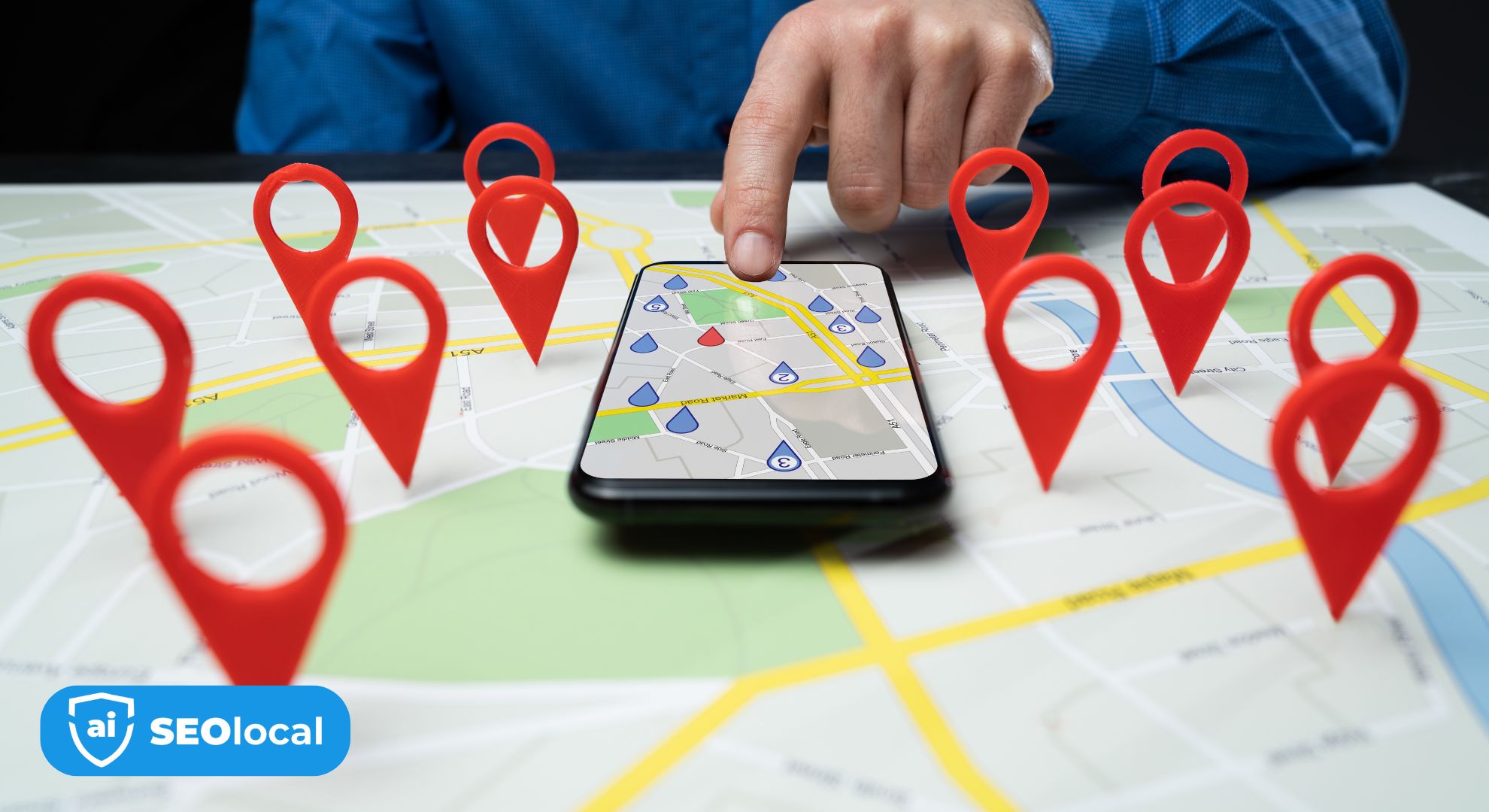
Optimizing Your Google Business Profile for Local Searches
Google Business Profiles influence 94% of first-page local search results. Your profile acts as a digital storefront, directly impacting whether customers find you during area-specific queries. Let’s explore how to maximize its potential.
Ensuring NAP Consistency
Your business name, address, and phone number (NAP) must match everywhere online. Even minor differences like “St” versus “Street” confuse search algorithms. This consistency builds trust with both users and platforms.
Check directories, social media, and your website for alignment. Mismatched details can lower your visibility in map packs and local listings. A unified NAP signals legitimacy to search engines.
Completing Your Profile with Accurate Details
Fill every section of your profile thoroughly. Include precise service areas, operating hours, and high-resolution photos. These details help algorithms understand your operational scope.
| Profile Element | Search Impact | Best Practice |
|---|---|---|
| Primary Category | Determines eligibility for 78% of searches | Choose specific options like “HVAC Repair” over generic “Contractor” |
| Service Radius | Affects 62% of map-based queries | Set boundaries 10-15% beyond physical location |
| Website Link | Boosts ranking for 41% of keywords | Link to location-specific pages, not just homepage |
Update your profile weekly with new services or seasonal hours. Respond to customer questions within 24 hours. Active management shows search engines you’re engaged with your community.
Enhancing On-Page SEO for Geographic Relevance
Websites with location-specific pages receive 50% more organic traffic than generic sites. Strengthening your on-page elements helps search engines match your offerings with area-specific queries. Let’s explore technical adjustments that amplify your connection to nearby customers.
Integrating Location-Based Keywords
Naturally weave your city or neighborhood into key website areas. For example, use “emergency electrician Tampa” in page titles instead of “electrical services.” This helps algorithms associate your services with specific areas.
Create dedicated pages for each service zone. A landscaping company might have separate pages for “Orlando lawn care” and “Kissimmee irrigation installation.” Each page should include unique content addressing local climate challenges or common homeowner needs.
| On-Page Element | Purpose | Implementation Tip |
|---|---|---|
| Title Tags | Signals service location | Use format: Service + City | Business Name |
| Page Content | Demonstrates local expertise | Mention neighborhood landmarks |
| Schema Markup | Clarifies business details | Add LocalBusiness schema with coordinates |
| Internal Links | Strengthens location context | Link city pages to service pages |
Utilizing Structured Data for Local Signals
Schema markup acts as a translator for search engines. Implement LocalBusiness schema to highlight your address, service areas, and operating hours. This structured data appears in rich snippets, boosting click-through rates.
Include geocoordinates in your schema for precise location tracking. For multi-location businesses, use separate markup for each branch. This prevents confusion when customers search near specific offices.
Update your website footer with verified business information. Consistent NAP (name, address, phone) details across all pages reinforce your legitimacy. Combine this with schema markup for maximum impact.
Leveraging Online Reviews and Citations
Businesses with 100+ reviews across platforms see 37% higher visibility in area-specific searches. Authentic customer feedback and consistent directory listings create trust signals that search algorithms prioritize for community-focused results.
Encouraging Genuine Customer Reviews
Google evaluates feedback from three sources: your Business Profile, third-party sites like Yelp, and testimonials on your website. Recent reviews carry more weight than older ones. A steady flow of new feedback shows active customer engagement.
- Respond to reviews within 48 hours to boost interaction rates
- Share review links via email receipts or SMS follow-ups
- Feature diverse platforms like Facebook or industry-specific forums
Maintaining Citation Accuracy Across Platforms
Search engines cross-check your business details across 50+ directories. Mismatched phone numbers or addresses hurt your credibility. Structured citations (Yelp listings) and unstructured mentions (local blog posts) both reinforce your community ties.
| Citation Type | Platform Examples | Impact |
|---|---|---|
| Structured | Yellow Pages, Angi | Verifies core business info |
| Unstructured | Local news sites, Chamber of Commerce | Builds organic local connections |
Use tools like Moz Local to fix inconsistencies automatically. Update listings when expanding service areas or changing hours. Consistent citations across quality directories act as digital landmarks guiding customers to your doorstep.
Building a Robust Local Link Profile
Businesses with strong link profiles rank 45% higher in area-specific searches. Links act as digital recommendations, showing search engines your community connections. Focus on two types: internal connections within your site and external endorsements from trusted sources.

Optimizing Internal Linking Structures
Guide visitors and crawlers through your website with strategic connections. Link city-specific service pages to your contact page using natural anchor text like “roofing services in Austin.” Create hub pages for each neighborhood you serve, connecting them to related blog posts and service areas.
This architecture helps algorithms map your operational scope. A bakery might link its “Wedding Cakes Dallas” page to a blog post about local venue partnerships. These pathways reinforce your regional expertise.
Securing High-Quality Inbound Links
Pursue links from organizations embedded in your community. Local chambers of commerce often link to member websites. Sponsor little league teams or charity events to earn mentions on community platforms.
Diversify your sources – media outlets, trade associations, and supplier websites. A plumbing company could earn links from a hardware store’s “recommended partners” page. Use varied anchor text like “Miami AC repair experts” rather than repetitive commercial terms.
Monitor your backlink profile monthly using free tools like Google Search Console. Remove spammy links through the disavow tool while nurturing relationships with quality referrers. This balance keeps your link portfolio supporting – not sabotaging – your visibility.
Analyzing User Behavior and Personalization Factors
How customers interact with your listings shapes your visibility more than you might realize. Search platforms analyze behavior patterns to determine which businesses best match searchers’ needs. This data-driven approach ensures results stay relevant to individual users.
Monitoring Behavioral Metrics and Engagement
Click-through rates reveal how often users choose your listing over competitors. High engagement with photos or reviews signals quality to algorithms. Clicks for directions or calls show strong purchase intent.
Dwell time matters too. If visitors quickly leave your page, search engines may assume your content lacks value. Regular updates to your Business Profile keep users interacting longer with posts or Q&A features.
Understanding Proximity and Personalization Signals
Searching “coffee shop” from different neighborhoods yields unique results. Platforms prioritize businesses closer to the searcher’s device location. Accurate service area details ensure you appear for nearby queries.
While proximity plays a role, it’s not absolute. Users searching from home might prefer businesses near workplaces during weekdays. Optimizing for commuter patterns can expand your reach beyond immediate surroundings.
FAQ
How does my business’s physical address affect local search rankings?
Search engines prioritize proximity when displaying results for queries like “near me.” A verified address in your Google Business Profile and consistent citations help algorithms confirm your location, boosting visibility for nearby customers.
What role do customer reviews play in local SEO?
Authentic reviews signal trust to search engines and users. Platforms like Google and Yelp weigh recent, detailed feedback to assess credibility. Encourage satisfied clients to leave reviews mentioning your services or location for stronger local rankings.
Why should I use location-specific keywords on my website?
Including terms like “Chicago plumbing services” or “downtown Miami bakery” helps search engines match your pages with relevant local queries. Integrate these naturally into titles, meta descriptions, and content to improve relevance without overstuffing.
How do citations impact my business’s online presence?
Citations—mentions of your business name, address, and phone number (NAP)—on directories like Yellow Pages or industry-specific platforms validate your legitimacy. Consistent NAP details across all listings strengthen local search signals.
Can internal linking improve my site’s local SEO performance?
Yes. Linking service pages to location-specific content (e.g., “Los Angeles HVAC repairs”) helps search engines understand regional relevance. It also guides users to localized information, improving engagement and dwell time.
What is schema markup, and how does it benefit local businesses?
Schema markup is code added to your site to clarify details like hours, services, or areas served. This structured data helps search engines display rich snippets in results, increasing click-through rates for local queries.
How often should I update my Google Business Profile?
Regularly refresh your profile with new photos, posts, and service updates. Accurate operating hours, holiday closures, and real-time Q&A responses keep your listing competitive and improve local pack visibility.
Why do some businesses rank higher despite being farther away?
Factors like website authority, review quantity/quality, and optimized content can outweigh proximity. A well-optimized profile with strong backlinks and user engagement often performs better than closer competitors with weaker signals.