


Blog
Augmented Reality Local Experiences That Engage Customers

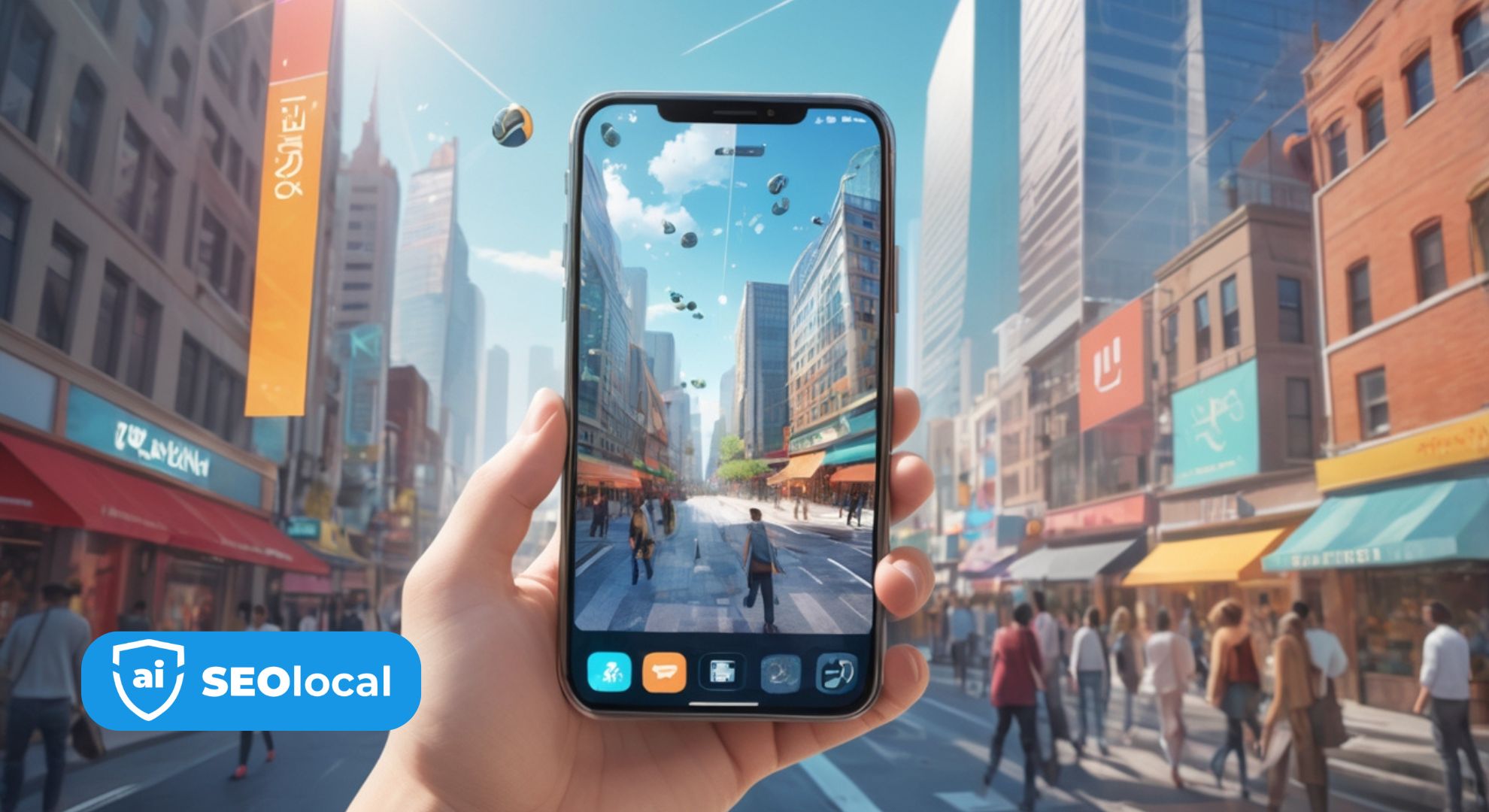
The digital landscape is rapidly evolving, and businesses are constantly seeking innovative ways to connect with their local customers. Among the most exciting developments in recent years is the emergence of augmented reality local experiences that are transforming how consumers interact with brands in their immediate vicinity. This technology is no longer confined to science fiction movies or high-tech laboratories – it’s becoming an integral part of everyday marketing strategies for forward-thinking businesses.
Augmented reality marketing represents a paradigm shift in customer engagement, offering unprecedented opportunities to create memorable, interactive experiences that bridge the gap between digital innovation and physical presence. Unlike traditional marketing methods that rely on passive consumption of content, AR experiences invite customers to actively participate in brand storytelling, creating deeper emotional connections and driving meaningful engagement.
Local businesses, from small boutiques to large retail chains, are discovering that augmented reality can level the playing field against online competitors by offering something that e-commerce simply cannot replicate: immersive, location-based experiences that enhance the physical shopping journey. These experiences range from virtual try-ons and interactive product demonstrations to gamified treasure hunts and historical overlays that bring local landmarks to life.
The impact of these technologies extends far beyond mere novelty. Research indicates that customers who engage with AR experiences are significantly more likely to make purchases, recommend businesses to friends, and return for future visits. This increased engagement translates directly into improved customer lifetime value and stronger brand loyalty, making AR an investment rather than an expense.
As we explore the world of augmented reality local experiences, we’ll examine how businesses can leverage this technology to create compelling customer journeys, the various types of AR experiences that drive results, and practical strategies for implementation. Whether you’re a marketing professional looking to stay ahead of trends or a business owner seeking innovative ways to attract and retain customers, understanding the potential of AR in local marketing is essential for future success.
Key Takeaways
For additional context, see this comprehensive guide.
- Enhanced Customer Engagement: Augmented reality local experiences create interactive touchpoints that capture customer attention for longer periods than traditional marketing methods. These immersive experiences encourage active participation rather than passive consumption, leading to higher engagement rates and improved brand recall. Customers who interact with AR experiences spend an average of 85 seconds longer engaging with brand content compared to traditional digital advertising.
- Increased Conversion Rates: Businesses implementing AR experiences report conversion rate improvements of up to 40% compared to conventional marketing approaches. The technology allows customers to visualize products in their intended environment, reducing purchase hesitation and buyer’s remorse. This is particularly effective for furniture retailers, home improvement stores, and fashion brands where fit and appearance are crucial decision factors.
- Competitive Differentiation: Early adopters of augmented reality marketing gain significant competitive advantages by positioning themselves as innovative and customer-centric. These experiences create memorable brand moments that customers share on social media, generating organic word-of-mouth marketing and extending reach beyond the immediate local market.
- Data-Driven Insights: AR experiences provide valuable customer behavior data that traditional marketing channels cannot capture. Businesses can track interaction patterns, dwell times, and engagement preferences to optimize future campaigns and improve customer experiences. This data helps refine targeting strategies and personalize offerings based on actual customer behavior rather than assumptions.
- Cost-Effective Implementation: Modern AR development tools and platforms have made implementation more accessible and affordable for businesses of all sizes. Many solutions require minimal technical expertise and can be deployed quickly, allowing businesses to test and iterate on AR experiences without significant upfront investments.
- Multi-Channel Integration: Successful AR experiences seamlessly integrate with existing marketing channels and customer touchpoints. They complement rather than replace traditional marketing methods, creating cohesive customer journeys that span both digital and physical environments while reinforcing brand messaging across all platforms.
Understanding Augmented Reality in Local Marketing Context
For additional context, see detailed information on this topic.
Augmented reality local experiences represent a sophisticated blend of digital technology and physical location-based marketing that creates unique opportunities for customer engagement. Unlike virtual reality, which creates entirely artificial environments, AR enhances the real world by overlaying digital information, graphics, and interactive elements onto the customer’s immediate surroundings through smartphones, tablets, or specialized devices.

The foundation of effective AR marketing lies in its ability to provide contextual relevance. When customers point their devices at specific locations, products, or landmarks, they receive tailored information that enhances their understanding and appreciation of what they’re experiencing. This contextual delivery makes the information more valuable and memorable than generic advertising messages.
Location-based AR experiences can transform ordinary customer interactions into extraordinary moments of discovery. Restaurants can overlay menu information and customer reviews when diners point their phones at dishes, while retail stores can provide detailed product specifications, styling suggestions, and availability information simply by scanning items. These interactions feel natural and helpful rather than intrusive or sales-focused.
The technology’s effectiveness stems from its ability to solve real customer problems in real-time. Whether helping customers navigate complex store layouts, providing instant access to product comparisons, or offering entertainment while waiting in line, AR experiences add genuine value to the customer journey. This value-first approach builds trust and positive associations with the brand.
Modern AR platforms also enable businesses to create experiences that adapt to individual customer preferences and behaviors. By analyzing interaction patterns and engagement data, businesses can personalize AR content to match customer interests, making each experience feel uniquely tailored. This level of personalization was previously impossible with traditional location-based marketing methods.
Types of Engaging AR Experiences for Local Businesses
For additional context, see our in-depth resource.
The versatility of augmented reality technology enables businesses to create diverse experience types that cater to different customer needs and business objectives. Virtual try-on experiences have become particularly popular among fashion and beauty retailers, allowing customers to see how clothing, accessories, or makeup will look without physically trying them on. These experiences reduce return rates while increasing customer confidence in their purchasing decisions.
Interactive product demonstrations represent another powerful application of AR technology. Furniture stores can show customers how pieces will look in their homes, while automotive dealerships can provide detailed vehicle walkthroughs highlighting features and customization options. These demonstrations make complex products more accessible and help customers make informed decisions.
Gamified experiences add an element of entertainment that encourages longer engagement and repeat visits. Retail locations can create treasure hunts where customers search for virtual items throughout the store, unlocking discounts or exclusive content along the way. These experiences are particularly effective for engaging younger demographics and creating shareable social media moments.
Educational and informational overlays serve businesses in sectors like tourism, real estate, and historical sites. Visitors can access rich multimedia content about locations, view historical reconstructions, or receive guided tours enhanced with digital elements. This approach transforms passive sightseeing into active learning experiences that customers find more engaging and memorable.
Social AR experiences enable customers to share their interactions with friends and family in real-time. Photo filters, virtual backgrounds, and collaborative games create opportunities for organic social media sharing, extending the reach of marketing efforts beyond the immediate customer to their entire social network. These shared experiences often generate more authentic endorsements than traditional advertising.
Businesses can also implement AR experiences that enhance customer service and support. Interactive maps can guide customers through large facilities, while visual troubleshooting guides can help customers resolve product issues independently. These service-oriented applications improve customer satisfaction while reducing operational costs. For businesses looking to optimize their overall digital presence, implementing comprehensive tracking systems can help measure the effectiveness of these AR initiatives alongside other marketing efforts.
Implementation Strategies for Maximum Impact
For additional context, see expert insights in this article.
Successful implementation of augmented reality local experiences requires careful planning and strategic thinking that aligns with overall business objectives. The first step involves identifying specific customer pain points or opportunities where AR can add genuine value rather than simply implementing technology for its novelty. This customer-centric approach ensures that AR experiences solve real problems and enhance rather than complicate the customer journey.
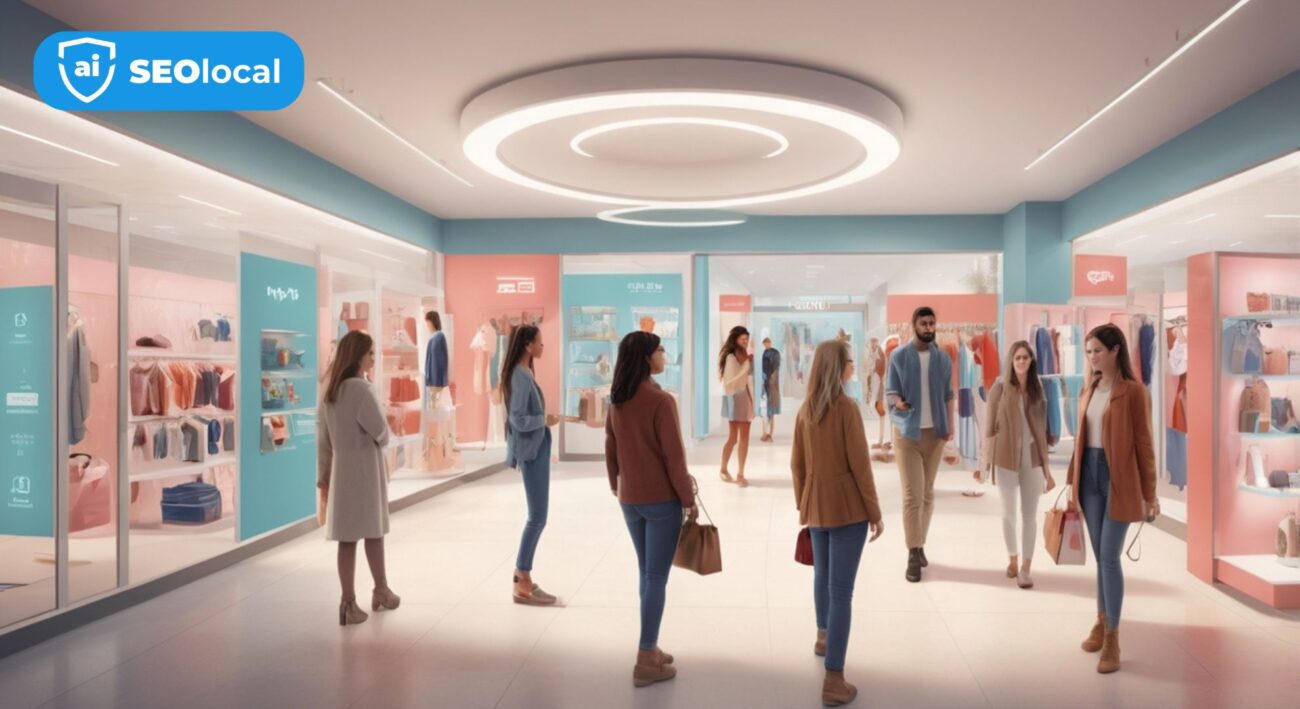
Platform selection plays a crucial role in implementation success. Businesses must choose between web-based AR solutions that work through standard browsers and app-based experiences that require customers to download specific applications. Web-based solutions offer lower barriers to entry but may have limited functionality, while app-based experiences provide richer interactions but require greater customer commitment.
Content creation and design considerations significantly impact user adoption and engagement. AR experiences should maintain visual consistency with existing brand elements while ensuring that digital overlays enhance rather than obscure important information. The design should be intuitive enough that customers can engage without extensive instructions or technical knowledge.
Integration with existing marketing channels amplifies the impact of AR experiences. Businesses should promote AR capabilities through traditional advertising, social media, and in-store signage to ensure customers are aware of available experiences. Staff training is equally important, as employees should be able to demonstrate AR features and assist customers who may be unfamiliar with the technology.
Testing and optimization represent ongoing responsibilities that determine long-term success. Businesses should monitor engagement metrics, gather customer feedback, and continuously refine AR experiences based on actual usage patterns. This iterative approach helps identify which features resonate with customers and which elements may need adjustment or removal.
Budget allocation should account for both initial development costs and ongoing maintenance requirements. While AR technology has become more accessible, businesses should plan for regular updates, content refreshes, and potential platform migrations as technology evolves. Establishing clear success metrics and return on investment calculations helps justify continued investment and guides future development decisions. When planning AR implementations, businesses should also consider how these experiences integrate with their broader digital marketing strategy, including their approach to building sustainable online visibility.
Measuring Success and Optimizing Performance
For additional context, see step-by-step instructions.
Effective measurement of augmented reality local experiences requires a comprehensive approach that goes beyond traditional marketing metrics to capture the unique value that AR provides. Engagement depth metrics, such as session duration and interaction frequency, offer insights into how compelling customers find AR experiences. Unlike passive content consumption, AR engagement requires active participation, making time spent and interaction patterns strong indicators of customer interest and satisfaction.
Conversion tracking becomes more complex but also more meaningful in AR environments. Businesses should monitor not only immediate purchases but also downstream behaviors such as return visits, social sharing, and referrals generated by AR experiences. These extended conversion paths often reveal the true impact of AR investments, as customers may engage with experiences multiple times before making purchase decisions.
Customer feedback collection through surveys, reviews, and direct observation provides qualitative insights that complement quantitative data. Understanding why customers engage with certain AR features while ignoring others helps businesses refine experiences and develop more effective future implementations. This feedback often reveals unexpected use cases or customer preferences that can inform strategic decisions.
Technical performance monitoring ensures that AR experiences function smoothly across different devices and network conditions. Slow loading times, tracking errors, or compatibility issues can quickly frustrate customers and damage brand perception. Regular performance audits and optimization help maintain the seamless experiences that customers expect from modern digital interactions.
Competitive analysis and industry benchmarking provide context for performance evaluation. As AR adoption increases across industries, businesses need to understand how their experiences compare to customer expectations shaped by interactions with other brands. This analysis helps identify opportunities for differentiation and improvement.
Return on investment calculations should account for both direct revenue attribution and indirect benefits such as increased brand awareness, customer satisfaction, and competitive positioning. While some AR benefits may be difficult to quantify immediately, establishing baseline metrics and tracking changes over time helps demonstrate value and justify continued investment. Creating comprehensive performance dashboards can help businesses track these various metrics and understand the overall impact of their AR initiatives alongside other marketing efforts.
Future Trends and Opportunities in AR Marketing
The evolution of augmented reality technology continues to create new opportunities for local businesses to engage customers in innovative ways. Advances in computer vision and machine learning are making AR experiences more accurate and responsive, reducing the technical barriers that previously limited adoption. These improvements enable more sophisticated interactions and open possibilities for applications that were previously impractical or too expensive to implement.

Integration with artificial intelligence is transforming AR from a display technology into an intelligent assistant that can provide personalized recommendations and adapt to individual customer preferences in real-time. This AI-powered personalization makes AR experiences more relevant and valuable, increasing the likelihood of customer engagement and conversion. The combination of AI and AR creates opportunities for predictive experiences that anticipate customer needs before they’re explicitly expressed.
Wearable technology adoption, particularly smart glasses and augmented reality headsets, promises to make AR experiences more seamless and natural. As these devices become more mainstream and affordable, businesses will need to adapt their AR strategies to accommodate hands-free interactions and always-available digital overlays. This shift will require new design approaches and interaction paradigms that feel natural in wearable contexts.
Social commerce integration represents a significant opportunity for businesses to leverage AR experiences for direct sales. Platforms are developing features that allow customers to make purchases directly within AR experiences, reducing friction in the conversion process. This integration of discovery, evaluation, and purchase within a single AR session could dramatically improve conversion rates and customer satisfaction.
Cross-platform compatibility and standardization efforts are making it easier for businesses to create AR experiences that work consistently across different devices and operating systems. This standardization reduces development costs and ensures broader customer reach, making AR more accessible for businesses with limited technical resources.
The growing importance of privacy and data protection is shaping AR development toward more transparent and customer-controlled experiences. Businesses that prioritize privacy-conscious AR implementations will build stronger customer trust and avoid potential regulatory issues. This focus on privacy also creates opportunities for businesses to differentiate themselves through ethical technology practices. As these technologies evolve, businesses should also consider how AI advancements are reshaping local search and customer discovery patterns, ensuring their AR experiences complement broader digital marketing strategies.
At SEO Local, we understand that implementing cutting-edge technologies like augmented reality requires a comprehensive digital marketing strategy that integrates seamlessly with your existing online presence. Our team helps businesses navigate the complex landscape of local digital marketing, ensuring that innovative experiences like AR complement and enhance traditional marketing efforts for maximum impact and return on investment.
Frequently Asked Questions
What equipment do customers need to access AR experiences?
Most modern smartphones and tablets can access AR experiences through web browsers or dedicated apps. Customers don’t need specialized equipment, as current devices have the necessary cameras and processing power for basic AR interactions. Some advanced experiences may require newer devices with better cameras and processors for optimal performance.
How much does it cost to implement AR marketing for a local business?
Implementation costs vary significantly based on complexity and features. Simple AR experiences using existing platforms can cost as little as a few hundred dollars monthly, while custom-developed solutions may require investments of several thousand dollars. Many businesses start with basic implementations and expand based on customer response and ROI.
Can AR experiences work effectively for service-based businesses?
Absolutely. Service businesses can use AR for virtual consultations, before-and-after visualizations, educational content, and interactive demonstrations of their expertise. For example, landscaping companies can show potential garden designs, while fitness trainers can provide interactive workout guides with proper form demonstrations.
How do businesses measure the success of AR marketing campaigns?
Success measurement involves tracking engagement metrics like session duration and interaction frequency, conversion rates, customer feedback, and social sharing. Businesses should also monitor technical performance and compare results to traditional marketing channels to understand AR’s unique contribution to overall marketing objectives.
What are the main challenges businesses face when implementing AR?
Common challenges include technical complexity, ensuring consistent performance across different devices, creating compelling content that adds real value, and educating customers about available AR features. Many businesses also struggle with measuring ROI and integrating AR with existing marketing strategies effectively.
How can businesses ensure their AR experiences remain relevant over time?
Regular content updates, customer feedback incorporation, and technology platform upgrades help maintain relevance. Businesses should monitor usage patterns and continuously test new features while retiring elements that don’t engage customers effectively. Staying informed about industry trends and competitor activities also guides evolution strategies.
Are there privacy concerns with AR marketing that businesses should address?
Yes, AR applications often access camera data and location information, raising privacy considerations. Businesses should implement transparent privacy policies, obtain appropriate permissions, and minimize data collection to essential functions only. Clear communication about data usage builds customer trust and ensures compliance with privacy regulations.
Can small businesses compete with larger companies in AR marketing?
Small businesses often have advantages in AR marketing due to their agility and ability to create personalized experiences. While they may have smaller budgets, they can focus on specific customer needs and create more intimate, locally relevant experiences that larger companies struggle to replicate at scale.
Conclusion
Augmented reality local experiences represent a transformative opportunity for businesses to create deeper, more meaningful connections with their customers while differentiating themselves in increasingly competitive markets. The technology has evolved from experimental novelty to practical marketing tool that delivers measurable results when implemented thoughtfully and strategically.
Success in AR marketing requires understanding that technology should serve customer needs rather than simply showcase innovation. The most effective AR experiences solve real problems, enhance existing customer journeys, and provide genuine value that customers appreciate and remember. This customer-centric approach ensures that AR investments contribute to long-term business growth rather than short-term attention.
As the technology continues to evolve and become more accessible, businesses that begin experimenting with AR now will be better positioned to capitalize on future opportunities and customer expectations. The learning curve for both businesses and customers is becoming less steep, making this an ideal time to explore AR’s potential for local marketing applications.
The integration of AR with other emerging technologies like artificial intelligence and improved mobile devices promises even more sophisticated and valuable customer experiences in the near future. Businesses that establish AR capabilities today will be ready to leverage these advances as they become available, maintaining their competitive edge in an rapidly evolving digital landscape.